Life
A life chapter changing
Coaching, guided group work and retreats. Conversation, inquiry and the body together, at your pace.
Explore Life →
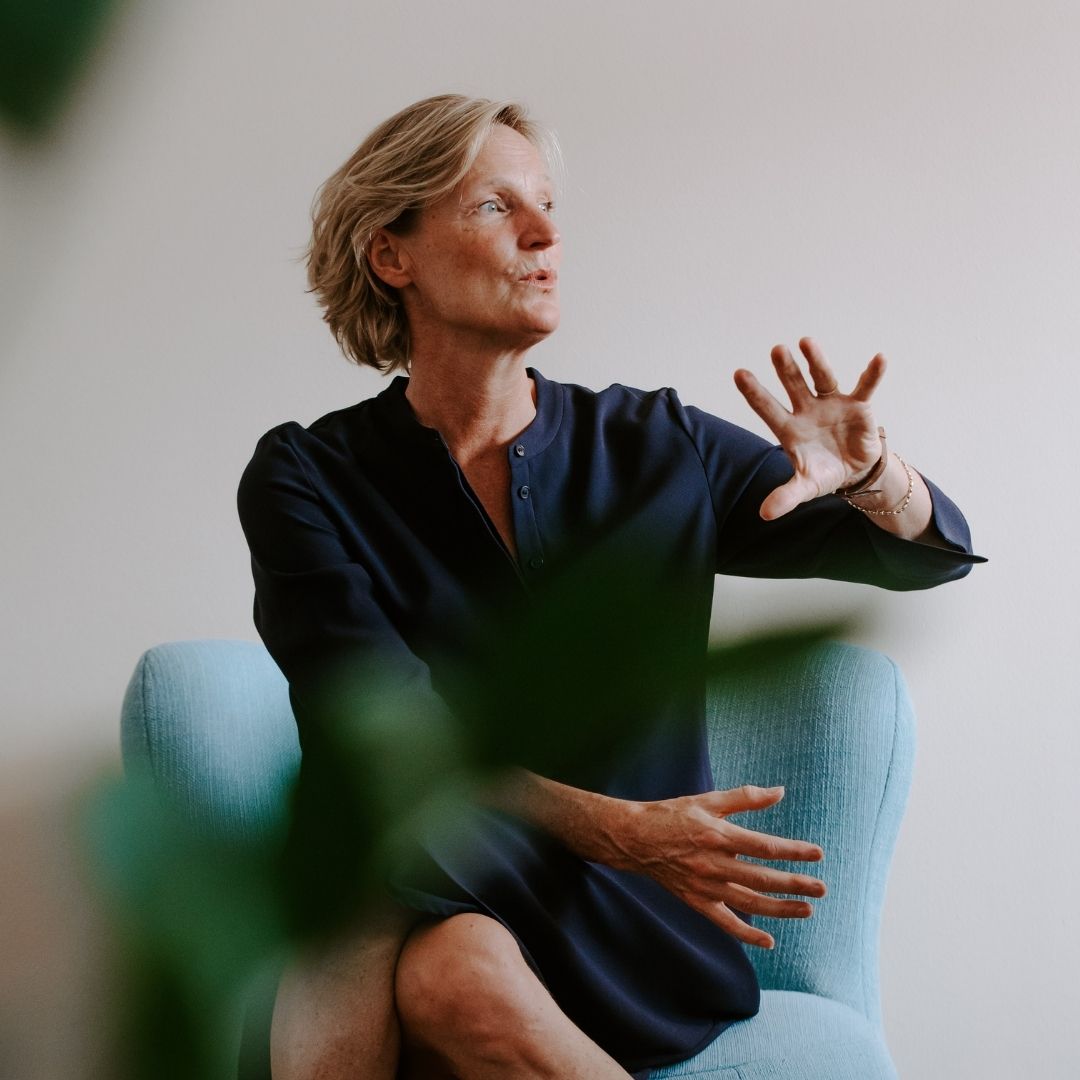
When familiar roles, routines or structures change, we need to reconsider what matters and how to respond. We help people and organisations connect that understanding with decisions, relationships and practical action.
Identity. Inner authority. Shaping the future.
Change begins within. It lasts when the systems around us change, too.
A new role, an ending or a technology can change our circumstances. Transition is the process of making sense of what this means for our identity, relationships and place in the world.
People experience this differently and at different speeds. We create space to understand what is happening, work through uncertainty and explore how to respond. In organisations, this includes changing the conditions in which people work.
Conversation, reflection and practical exploration help us work with what is happening. In personal and organisational work, we return to five movements.
Name what is changing and what is at stake, without softening it.
What is really happening?
Notice the patterns in thinking, feeling, relationships and the wider system.
What keeps repeating, in me and around me?
Reconnect with values, strengths and the contribution you want to make.
What is mine to carry forward?
Weigh possibilities and decide what to change, commit to or let go.
What will I stand behind?
Try new ways of acting, learn from them and adjust.
What is the next small step?
Transition Literacy is the ability to recognise change, stay present in uncertainty and respond consciously rather than react. It can be learned, by people, by leaders and by organisations. Five capacities grow with it:
Coaching, guided group work and retreats. Conversation, inquiry and the body together, at your pace.
Explore Life →One-to-one work and team retreats. Real situations first, with experiments between sessions.
Explore Leadership →Participatory processes, facilitated dialogue and leadership alignment, carried into everyday practice.
Explore Organisations →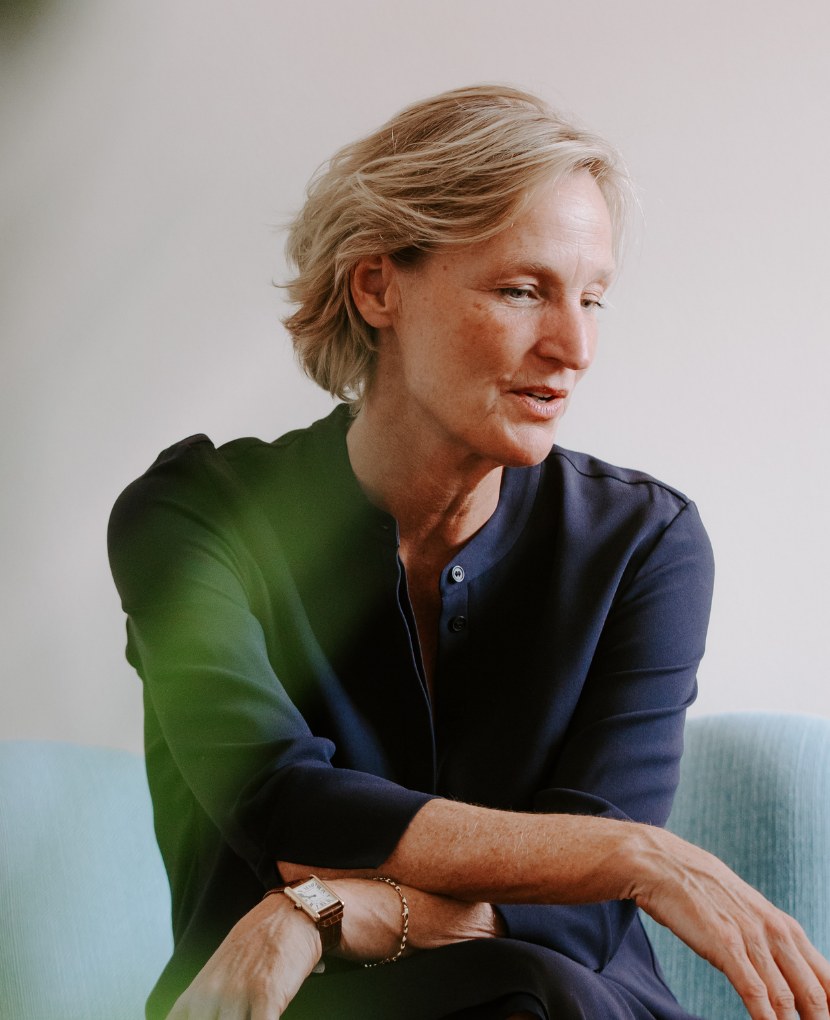
“Before we shape what comes next, we need to be able to hear it, feel it and sense it.”
The approach grew from twenty years of leading transformation, Julia's own transition, and her training in systemic work, inquiry and embodied practice. It is trauma-informed throughout: you set the pace and decide what you share.
Bring what is shifting. We'll start where you are.